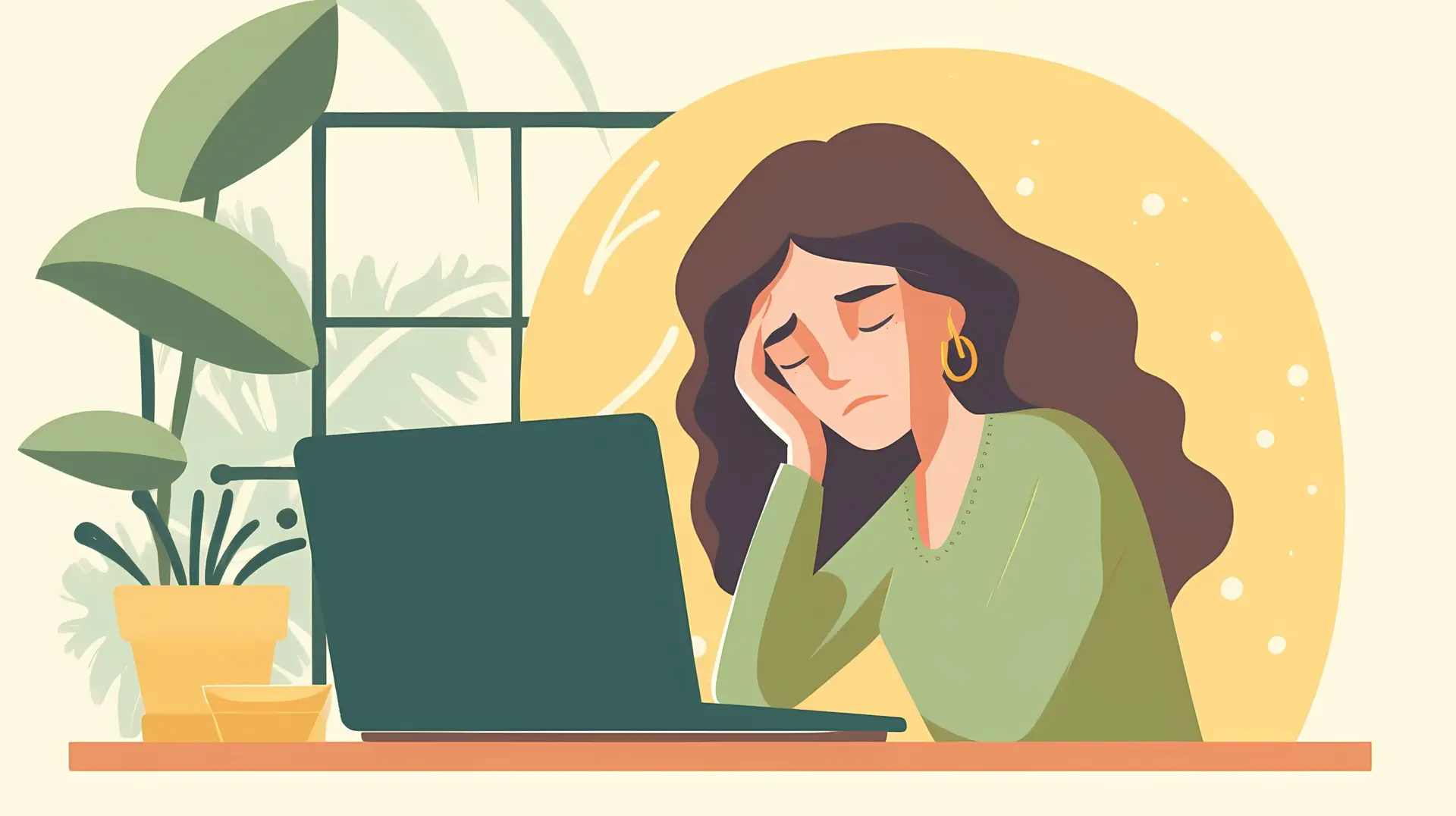
You’re not lazy.
You’re exhausted by a pace of life that was never designed with you in mind.
At some point, “having it all” became synonymous with doing everything at full speed, being available to everyone, never quite pausing, and feeling vaguely guilty when you did. Many women around 35 describe reaching a quiet wall — not a breakdown, not a crisis, but a deep, bone-level tiredness with the velocity of their own lives.
Slow living is the deliberate, conscious decision to move at a pace that allows you to actually inhabit your life.
In a world obsessed with hustle culture, productivity hacks, and constant notifications, more people are quietly walking away from the pressure to “do it all.” Instead, they are embracing something softer, calmer, and surprisingly powerful: slow living.
Slow living is no longer just an aesthetic trend filled with linen curtains and expensive candles on social media. It has become a genuine form of self-care — one that focuses on protecting your energy, simplifying your routine, and creating a life that actually feels good to live.
The art of doing less is not about laziness. It is about intention. It is choosing quality over chaos, rest over burnout, and presence over performance.
If modern life feels exhausting, slow living might be exactly what your mind and body have been asking for.
What Is Slow Living?
Slow living is a lifestyle centered around mindfulness, balance, and intentional choices. Instead of rushing through life on autopilot, slow living encourages you to pause and focus on what truly matters.
It does not mean moving slowly all the time or giving up ambition. It simply means refusing to live in a constant state of overwhelm.
At its core, slow living asks questions like:
- Do I really need this?
- Why am I always rushing?
- What actually brings me peace?
- Am I enjoying my life or just surviving it?
For many people, the answers lead to simplifying routines, reducing unnecessary stress, spending less time online, and making more room for rest, hobbies, relationships, and mental clarity.
Why Slow Living Became the New Self-Care
Traditional self-care often focuses on quick fixes: sheet masks, spa days, shopping, or expensive wellness products. While those things can feel nice, they do not always solve the deeper issue — chronic exhaustion.
Slow living shifts the focus from temporary relief to sustainable well-being.
Instead of asking, “How can I recover from burnout?” slow living asks, “How can I stop living in burnout altogether?”
That mindset change is exactly why slow living has become one of the biggest wellness movements today.
The Hidden Cost of Always Being Busy
For years, society glorified being busy. People proudly said things like:
- “I barely slept.”
- “I’m so overwhelmed.”
- “I’ve been working nonstop.”
Being busy became a symbol of success.
But constant busyness comes with a price:
- Mental exhaustion
- Anxiety
- Poor sleep
- Lack of creativity
- Emotional burnout
- Hormonal imbalance
- Feeling disconnected from yourself
Many people are realizing that productivity means nothing if your health, peace, and happiness disappear in the process.
Slow living challenges the idea that your worth depends on how much you accomplish.
Sometimes, doing less actually allows you to live more.
Slow Living and Mental Health
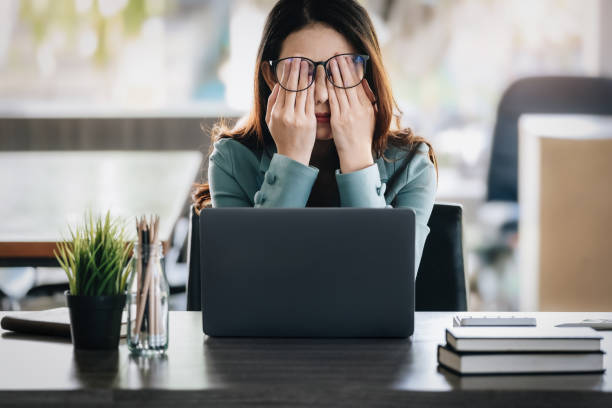
One of the biggest reasons people are drawn to slow living is mental peace.
Modern life overstimulates the brain constantly:
- Endless scrolling
- Notifications
- News updates
- Multitasking
- Pressure to always be available
Your nervous system rarely gets a chance to rest.
Slow living helps create space for calm. Simple habits like quiet mornings, mindful routines, journaling, reading, or taking walks without your phone can reduce stress levels significantly.
When life becomes quieter, your thoughts become clearer.
Many people who practice slow living report:
- Better focus
- Improved sleep
- Less anxiety
- Stronger emotional balance
- Greater life satisfaction
Self-care is not always something you add to your routine. Sometimes it is something you remove.
The Beauty of Doing Less
Doing less sounds simple, but for many people, it feels uncomfortable at first.
We are taught to constantly optimize ourselves:
- Wake up earlier
- Work harder
- Be more productive
- Learn more skills
- Stay busy
Slow living gently reminds us that rest is productive too.
You do not need to earn rest by exhausting yourself first.
The beauty of doing less is that it creates room for things we often miss:
- Deep conversations
- Creativity
- Presence
- Genuine relaxation
- Enjoying simple moments
A slower lifestyle allows you to notice your life instead of rushing through it.
Signs You Might Need a Slower Lifestyle
You do not need to move to the countryside or completely change your life to embrace slow living. Sometimes the need for slowness shows up quietly.
Here are some common signs:
- You feel tired even after resting
- You constantly multitask
- Your phone is the first thing you check every morning
- Small tasks feel overwhelming
- You struggle to enjoy the present moment
- You feel guilty when resting
- Your schedule always feels too full
If any of these feel familiar, your body may be asking for a gentler rhythm.
Slow Living and Beauty
There’s a deeply satisfying overlap between slow living and the way you approach beauty and self-care. When you have a beauty routine that you do slowly and with full attention — not rushed, not multitasked — it becomes a form of meditation.
The act of applying your skincare with care. The ritual of choosing a fragrance with intention. These are not indulgences. They are moments of return — to yourself, to your body, to the present.
“Soft luxury” is the aesthetic of slow living: quality materials, sensory pleasure, the absence of hurry.
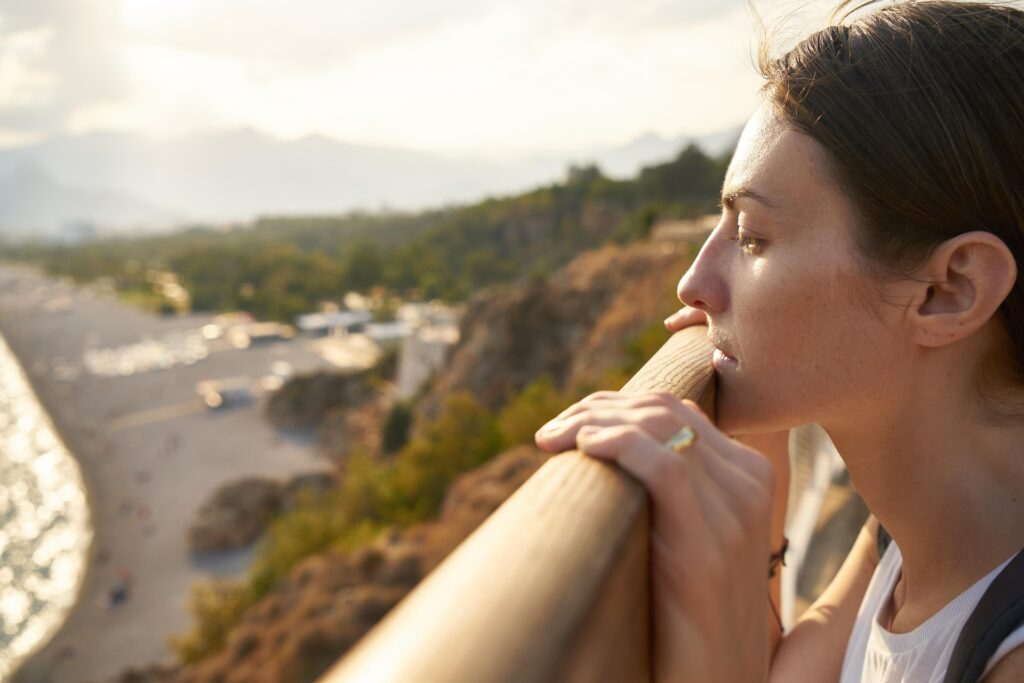
What You Gain When You Slow Down
Here is what women who have made this shift consistently describe: clarity about what actually matters. Better relationships because they’re fully present in them. A quiet sense of contentment that doesn’t depend on productivity.
And — unexpectedly — more time. Not because the hours expanded, but because they stopped being spent at a pace too fast to notice.
1. Simplify Your Morning Routine
Instead of rushing into the day stressed and overstimulated, create a softer start.
Try:
- Avoiding social media for the first hour
- Drinking coffee slowly
- Stretching
- Journaling
- Listening to calming music
A peaceful morning can completely change your energy for the day.
2. Stop Glorifying Busyness
Being constantly busy does not automatically mean you are successful.
Leave room in your schedule for:
- Rest
- Hobbies
- Silence
- Doing nothing
Protecting your peace is productive.
3. Create Phone-Free Moments
Digital overload is one of the biggest causes of mental fatigue.
Even small boundaries help:
- No phone during meals
- No scrolling before bed
- Taking walks without headphones
- One screen-free evening each week
Your brain needs quiet too.
4. Learn to Say No
Slow living often requires protecting your time and energy.
You do not need to attend every event, answer every message immediately, or accept every responsibility.
Saying no to overwhelm is saying yes to yourself.
5. Romanticize Ordinary Life
One beautiful part of slow living is learning to appreciate ordinary moments.
Simple things become meaningful:
- Fresh sheets
- Cooking slowly
- Rainy afternoons
- Reading in bed
- A quiet cup of tea
- Watching the sunset
Life feels richer when you stop rushing through it.
Slow Living Is Not About Perfection
Ironically, social media sometimes turns slow living into another impossible standard.
Perfect homes, expensive skincare, organized kitchens, and endless free time are not required.
Real slow living looks different for everyone.
For some people, it means:
- Working fewer hours
- Spending more time with family
- Reducing clutter
- Taking breaks without guilt
- Protecting mental health
- Choosing simplicity
It is not about building a perfect life. It is about building a peaceful one.
Why Slow Living Is Here to Stay
People are becoming more aware of burnout, mental health struggles, and emotional exhaustion than ever before.
As a result, wellness is changing.
The future of self-care is not about doing more.
It is about needing less.
Slow living offers something modern life often forgets:
- Calm
- Presence
- Breathing room
- Emotional balance
And perhaps most importantly, it reminds us that life is not a race.
You do not have to constantly prove your worth through productivity.
How the Shift Happens
- Edit your schedule ruthlessly. Not every invitation needs a yes. Your energy is a finite resource — treat it that way.
- Create transition rituals between different parts of your day. Five minutes of stillness between work and family time is not wasted time. It’s how you arrive fully instead of arriving frazzled.
- Choose quality over quantity in everything you can. One beautiful candle burning in a clean room feels different to ten things competing for your attention.
- Learn to sit with silence. Not meditate, necessarily — just not fill every gap with noise. The discomfort of silence is temporary. The clarity it offers isn’t.
- Practice seasonal living. Eat seasonally, dress seasonally, adjust your energy and expectations seasonally. Winter is not summer. November is not June. Let yourself follow that rhythm.
Self-care is no longer just skincare routines and wellness trends.
Sometimes, self-care looks like:
- Logging off
- Canceling plans
- Taking your time
- Protecting your energy
- Letting yourself breathe
And maybe that is the kind of wellness we truly need now.